Poison Ivy Vine Control Services Overview
Visitors can learn about Poison Ivy Vine Control services and compare local contractors who handle this work.
- - Residential property owners seeking to remove Poison Ivy vines from yards, gardens, or landscaping areas.
- - Commercial property managers needing to control Poison Ivy growth on office grounds, parks, or outdoor spaces.
- - Landscaping professionals looking for local contractors to handle Poison Ivy vine removal and control services.
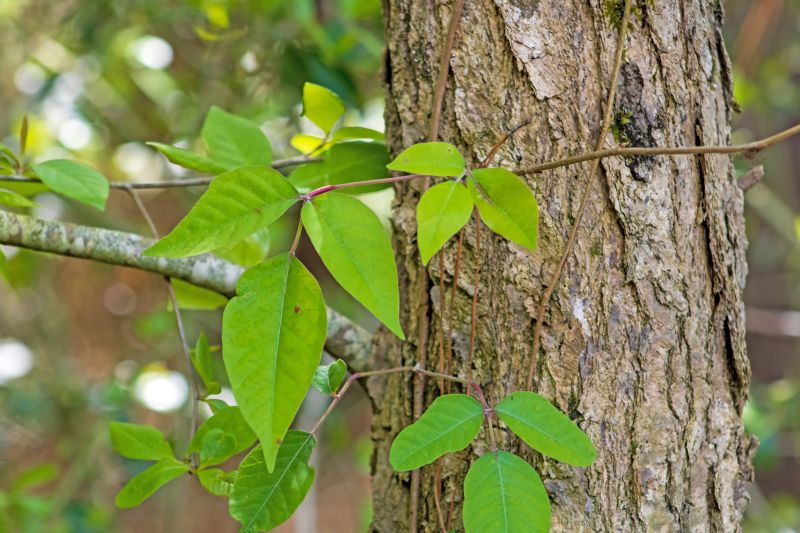

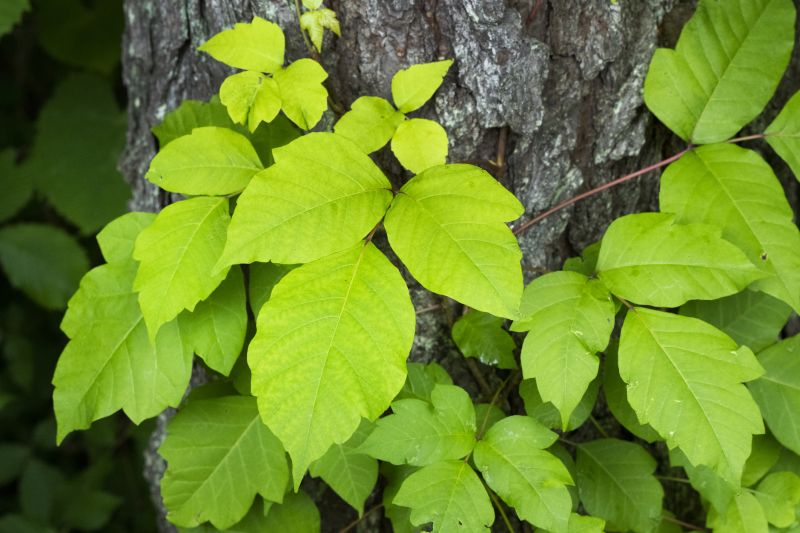
Poison ivy vine control services are essential for property owners looking to safely and effectively remove this common plant. Local contractors experienced in vine removal can assess the extent of growth, identify the plant, and determine the best approach to eliminate it from yards, fences, trees, and other structures. These professionals understand the challenges posed by poison ivy, such as its ability to spread quickly and cause skin irritation, and can implement targeted removal methods to help restore the health and safety of outdoor spaces.
Property owners seeking poison ivy vine control typically turn to nearby service providers who specialize in plant removal and landscape management. These local experts can provide tailored solutions based on the specific situation, whether it involves vine removal from trees, ground cover, or fencing. Connecting with experienced contractors ensures that the work is handled safely and efficiently, helping to prevent future growth and protect the surrounding environment.
Poison Ivy Vine Control Services
Find qualified local contractors experienced in safely removing poison ivy vines from residential and commercial properties.
Compare different service providers to understand available methods and solutions for poison ivy vine management.
This guide provides helpful information to understand the basics of Poison Ivy Vine Control and what to consider when planning a removal project. It assists in comparing local contractors and connecting with service providers who handle Poison Ivy Vine Control work in your area. The goal is to help visitors gather the necessary details to make informed decisions about hiring local experts for their needs.